about the worldwide recognized

Permaculture Design Certificate (PDC) Course

The Permaculture Design Certificate (PDC) Course is a comprehensive training that provides a clear understanding of how we as humans can live fully and abundantly well, for ourselves and for others, while also leaving the planet in better condition BECAUSE we were here on it.

Take the course ONLINE then come to MWP for the In-Person Experience

The PDC Course

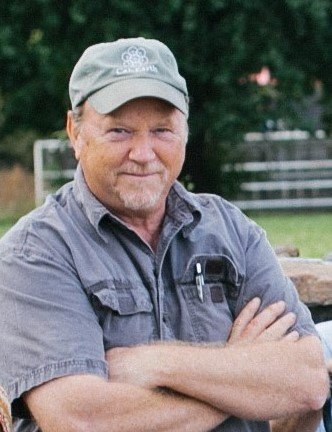
Bill Wilson
Bill Wilson, Our Lead Teacher/Designer
Oh my gosh, I have learned so much that even if I only took away 1/10 of it, I have been so broadened in my outlook of things. I have hope for the future.
Barbara - PDC Graduate
Author/Gardener

Credit for the PDC course is now accepted by a growing number of universities around the world. An estimated 1,000,000 people have now completed this training and comprise a mostly informal global network of educators and ecological doers who influence corporations, create new business alternatives, influence the communities they live in, and turn damaged lands into highly productive, food-producing landscapes. PDC graduates are committed people working together to enhance the way we view and design our landscapes, our lives, and the culture itself.

This course is not just for people who own property!

The PDC provides a fresh understanding of how each of us can significantly contribute to creating a more permanent and compassionate culture regardless of whether or not we own land. The majority of students in a PDC course are suburban/urban dwellers seeking a greater understanding of how things really work in the natural world, how to create greater abundance & security (food, energy, water, buildings, neighbors) in their immediate environment, and how to be of genuine service in the world for a greater good.

If you are a person who wears clothes, eats food, lives in a home or apartment, moves around, and participates in whatever culture you are in… the PDC course is for you. 

Frequently Asked Questions

Permaculture is an umbrella word for all things sustainable. Yes, it is heavily focused on the growing of food, but it also encompasses every aspect of the wise design of human habitat and social interactions. At its core, permaculture asks the question ‘how do we leave the planet in better condition than when we arrived upon it’.

Read more about it on our “What is Permaculture Page“.
Who Could Benefit from a

Permaculture Design Certificate Course?

Just about everyone!  If you’re interested in learning about sustainable living, green design and architecture, abundant gardening, organic agriculture, generating renewable energy, creating authentic relationships and community,  learning new skills, or considering a new career to obtain right-livelihood….then you will get much from this course.  

When a permaculture design is implemented on the land, in a business, in a community, or in one’s own personal life,

(1) wastes become resources,
(2) work is minimized,
(3) yields increase over time
(4) and the environment is restored over time.

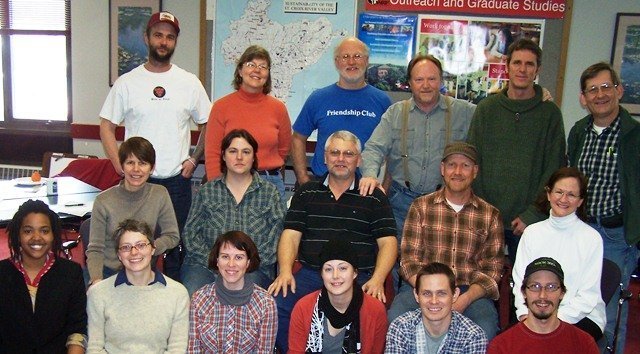
Graduates of Permaculture Design Certificate Course – UWRF 2011

Some who have benefited from a PDC Course?

  • Homeowners
  • Students Looking for their Career Path
  • Farmers
  • Educators – Teachers
  • Architects
  • Garden Designers
  • Builders
  • Municipal, State, Federal Employees
  • Landlords
  • Pastors and Church Leaders
  • Construction Professionals
  • Green Entrepreneurs
  • Community Organizers
  • International Relief Workers
  • Landscapers
  • Homesteaders
  • Gardeners
  • Renters
  • Landscape Architects
  • Community Activists
  • Agronomists
  • Resource managers
  • Real estate buyers and brokers
  • Developers
  • Local and Regional Planners
  • Elected Officials
  • Non-profit Administrators
  • Social Workers
  • Ecologists
  • More…

What Subjects and Permaculture Principles are Covered in PDC?

Permaculture is about looking at ways to integrate many different elements into a sustainable way of living. So, even though we might not go into great detail in every subject area (we would need three months), we do delve into many areas and look for ways they interrelate with each other.

The goal is to design systems that allow us to live abundantly well while also eliminating wastes, increasing yields, minimizing unnecessary work, and caring for the total environment. We must design ways of living that care for nature, ensuring the necessary resources for future generations.

David Holmgren

Permaculture Design Principles & Ethics

Regardless of the subject area being explored, these fundamental permaculture design principles delineated by permaculture’s other co-founder, David Holmgren, are the foundation to all permanent design.

  1. Observe and interact
  2. Catch and store energy
  3. Obtain a yield
  4. Apply self-regulation and accept feedback
  5. Use & value renewable resources and services
  6. Produce no waste
  7. Design from patterns to details
  8. Integrate rather than segregate
  9. Use small and slow solutions
  10. Use and value diversity
  11. Use edges and value the marginal
  12. Creatively use and respond to change

Permaculture’s 3 Foundational Ethics

Earth Care

People Care

Fair Share

(Care of the Future)

Should I take a Course in My Own Bioregion and Climate?

A Focus on the Fundamentals Regardless of Your Climate

What is essential to understand about the PDC course is that we must cover all of the basic principles and ideas behind a permaculture approach to meet Mollison’s requirements for a certificate of completion.  Therefore, many different climates, land types, soil types, and living situations are explored.

So, it doesn’t really matter where you live now or where you take a design course.  You will be exposed to all the fundamentals, allowing you to begin to create a permaculture design for just about any location or situation on the planet.  The fundamentals and the principles don’t change.  

A Midwest Permaculture PDC Grad (Grant Shadden) Teaching Villagers in Africa

This being said, if you can find a good quality PDC course in your same climate there are likely some advantages. A poor quality PDC in your own climate would likely be a waste. We enjoy a reputation for having one of the top PDC Courses in the world and trust that the education you receive from a Midwest Permaculture PDC will be universally applicable.

We have hosted PDC Course in the Midwest, the mountains, the desert and the tropics.

Continued Support Following Your PDC Course

Students who have completed a Midwest Permaculture design course are then invited to become part of our growing network of graduates.  We support our students in 3 ways:

  1. We offer the live courses (in-person or on-line) at half-price to any graduate who would like to experience the PDC once again.
  2. We maintain twice monthly ‘Office Hours‘ so students can stop by anytime.
  3. We offer Advanced Permaculture Courses in Teacher Training and Design as well as a Hands-on course so students can see what we’ve created over 2-decades in our home town. 

Our objective is to support our students for as long as they need it or want it, and to encourage them to support each other.

Bill Mollison Permaculture’s Co-Founder

What is the Permaculture Design Certificate?

About the Certificate

The Permaculture Design Course (PDC) Certificate is Awarded to Students who Complete the 72-hour Curriculum in Permaculture Design as created by Bill Mollison

Permaculture is a worldwide grassroots movement organized on principle, ethics, and the honor system.   It is one of the few educational systems in the world of its size that allows so much freedom to students and teachers alike.

Certification has been a part of design course completion since the early days of permaculture (the 1980s). For example, bill Mollison would train people and then give them a ‘certificate of completion’ to demonstrate that they had been exposed to his basic curriculum.

At that time, he encouraged graduates of his training to go forth and immerse themselves into the fundamental application of permaculture design and, if and when they felt called and ready to teach, to go ahead and do so, even if they wished to eventually offer their own Permaculture Design Certificate (PDC) courses and hand out their own certificates. As a result, several generations of students became teachers of the PDC. Unfortunately, some of those who picked up the teaching torch were not very good teachers and/or failed to present all of the essential information contained within the design course curriculum. As a result, Mollison started receiving complaints about the poor quality of some of “his” courses.

Realizing that specific standards should probably be established for permaculture teachers, he eventually began a screening process and set up a registry so that future students had some assurance concerning the quality of teaching. However, within a couple of years he discovered that some unethical teachers would get on his registry only to end up teaching whatever and however they wished. To Bill’s credit he closed the registry to allow permaculture to grow organically. This quote by Mollison clearly reflects his fundamental feelings about top-down institutions vs. a grass-roots approach. 

“Finally, with hundreds of itinerant teachers turning up anywhere, the system is beyond restraint.
Safe at last, and in a geometric growth rate – we have won! Permaculture is permanently ungovernable.”

“I visualize an open society where anyone who wants to teach advertises the fact, the fees, and the duration of the course; also their degree of abstraction.
Teachers live well or poorly, on the loyalty of their students.
There are no salaried teachers.”

Travels in Dreams by Bill Mollison (from 1996)

Fortunately, most teachers in the permaculture world are guided strongly by the ethics permaculture was birthed from so are dedicate to providing a quality training.

Also, the content of the PDC is quite brilliant in and of itself so regardless of the quality of teaching, the odds are, most PDC trainings fall within the good-to-great range. 

We suggest that one does their homework to assess the quality and experience of the teachers and then follows their own intuition and judgment as to which course is best for themselves.

Privileges Associated with the PDC Certificate

What Does a Permaculture Design Course Certificate Enable you to Do?

In the permaculture tradition established by Bill Mollison, with this certificate a graduate may confidently use the word ‘permaculture’ in the promotion of their work or business. This might include permaculture design consulting, offering finished design work, implementing designs on the ground, and/or offering and teaching one’s own workshops and classes on permaculture.

Please Note However: This does not make you (or any of us) “Certified Permaculture Designers” as some may assert or think. 

There is no nationally or internationally recognized agency or program that certifies someone as an “officially-licensed-permaculture designer”. The PDC Certificate simply states that one has satisfactorily completed a PDC training and now has earned the privilege to consider themselves a ‘permaculturist’ (skilled or not) and may offer their design abilities or knowledge to others.

Will I Be Able to Offer Permaculture Design Services for a Fee

If a PDC-certificate holder feels that they are ready to offer permaculture designs, they may certainly do so and call themselves a ‘permaculture designer’. Ultimately, each individual decides for themselves if and when they feel qualified to declare themselves a permaculture designer following the completion of their PDC certificate training.

If you do move into designing, what you charge is up to you. However, since the quality of your design work and service reflects upon the entire permaculture community, we encourage everyone to operate with the integrity and openness which is at the heart of this work. If you are new and inexperienced, charge a modest amount for your services and be upfront and honest with your clients regarding your skill and experience level. As you become more and more accomplished, charge more.

What About Teaching Permaculture Classes?

Absolutely. Within the permaculture tradition, as a PDC Certificate holder graduates may teach permaculture classes in whatever subjects they feel knowledgeable and capable of teaching. We suggest new graduates start with 1-3 hour classes and work their way up to half-day, full-day and then weekend trainings.

Mollison’s over-reaching desire, (as well as that of the world permaculture community), is that teachers leave students inspired with the possibilities associated with permaculture thinking and designing and a greater confidence in their ability to design and create permanent systems that will care for themselves, others and the planet.

If you have the ability to teach and inspire… Please Teach Permaculture!!!

What about Teaching the full PDC Course and Awarding My Own “Certificate” to Others?

The accepted tradition in the Permaculture community is for aspiring PDC Course teachers to first take a permaculture teacher training and then work with other experienced and talented PDC instructors to become competent in hosting and delivering this comprehensive training. However, once a person feels confident and ready, they may offer their own PDC Courses and offer their own certificates.

There is no single entity in the United States or the world that grants official PDC teacher certification or guarantees a teacher’s qualifications. The organizations who offer teacher trainings do so to support their own students and the greater permaculture community in offering quality and inspiring trainings. 

Why Not Create an Official Worldwide Permaculture Institution or Trade Organization?
It might happen someday, but the very essence of permaculture resists a institutionalized or top-down organizational approach.  Mollison felt that a traditional bureaucracy would have a dampening effect on the open availability and spirit of permaculture. We agree.

Permaculture students from our Grand Rapids PDC posing by their recently dug swale.

Continuing Education (CE) credits are required in many professions to maintain licensure, certification, or professional standing. If you or your organization require PPO / Equity / Social Justice CE credits and would like to explore whether our PDC Course qualifies, contact us to discuss documentation, learning outcomes, and alignment with your specific credentialing requirements.

Power, Privilege & Oppression (PPO) / Social Justice Continuing Education

The Midwest Permaculture Design Certificate (PDC) offers 10+ hours of documented instruction aligned with nationally recognized Power, Privilege & Oppression (PPO), Equity, and Social Justice continuing education requirements.

While grounded in permaculture design, the course consistently explores human systems, access to resources, equity, and community resilience—making it applicable across a wide range of professions that require PPO-related CE credits.


How This Course Meets PPO / Equity CE Requirements

Throughout the course, learners examine how ecological design principles directly intersect with:

  • Social justice
  • Equity and access
  • Community empowerment
  • Systemic inequality
  • Structural and institutional barriers

Rather than addressing these topics in isolation, the course integrates them into real-world case studies, community-based projects, and systems-thinking frameworks that are applicable to professional practice.


PPO / Social Justice Learning Areas Addressed

Our PDC Course includes documented instruction aligned with the following commonly required PPO learning areas:

  • Challenging injustice
  • Respecting and valuing diversity
  • Respecting and valuing humanity
  • Protection of equal access
  • Identifying and acknowledging privilege
  • Promoting inclusion, freedom, and equality
  • Challenging the status quo
  • Removal of systemic barriers
  • Changing narratives of compassion and respect
  • Social justice and liberation frameworks
  • Cultural competence
  • Intersectionality
  • Community accountability and collaboration

These themes are woven throughout multiple sessions rather than confined to a single lecture, allowing learners to engage deeply and contextually.


Applied, Real-World Learning

Participants explore PPO concepts through case studies such as:

  • Community food forests addressing food insecurity
  • Indigenous-led sustainable development projects
  • Cooperative economic models
  • Urban agriculture as a tool for equity and access
  • Community-driven responses to environmental and social injustice

This applied approach supports practical understanding, not just theoretical awareness.


Who This Is For

This course has been successfully used for continuing education by professionals in fields including:

  • Interpreting & translation
  • Education
  • Social services
  • Environmental and sustainability professions
  • Community development
  • Healthcare and public service
  • Nonprofit and advocacy work

If your profession requires Power, Privilege & Oppression, Equity, Diversity, or Social Justice continuing education, this course may qualify depending on your certifying body’s guidelines.

The Opportunity Before Us…

Because permaculture is a relatively new field, few ‘job’ opportunities are listed in employment ads for permaculture designers or practitioners, though the number of requests is growing. But please do not take a PDC course thinking there will be an automatic job for you at the other end.

The opportunity, however, is that permaculture design course graduates may start a business of their own, whether it be in consulting, designing, implementation or teaching.

The only limiting factors to one starting their own business are their knowledge base, experience, or skills. Yet each of these areas is available to everyone, if they will but seek them out. 

Permaculture is a life-long journey and a way of relating to life from one’s core. There is no end to the depth of experience and service we might render to ourselves, our communities, and the world, especially given the current state of things. We need people who can think and design long-term sustainable solutions. For those who can do this, there appears to be a great opportunity, ultimate security, and the satisfaction of doing work that really matters in the world.

This work is real.   This work is lasting.   This work is needed.

There is plenty of room for you and your gifts in the worldwide permaculture community. Come and join us.

Bill Wilson – January 2026

For 2026:
Our PDC Course is Delivered Online, available at any time, including right now.
Then we also have our 4-day Extended Weekend Training that is ‘stand-alone’ amazing, but it also dramatically supports the online learning experience. Seeing is believing.
(It also helps with understanding. 🙂